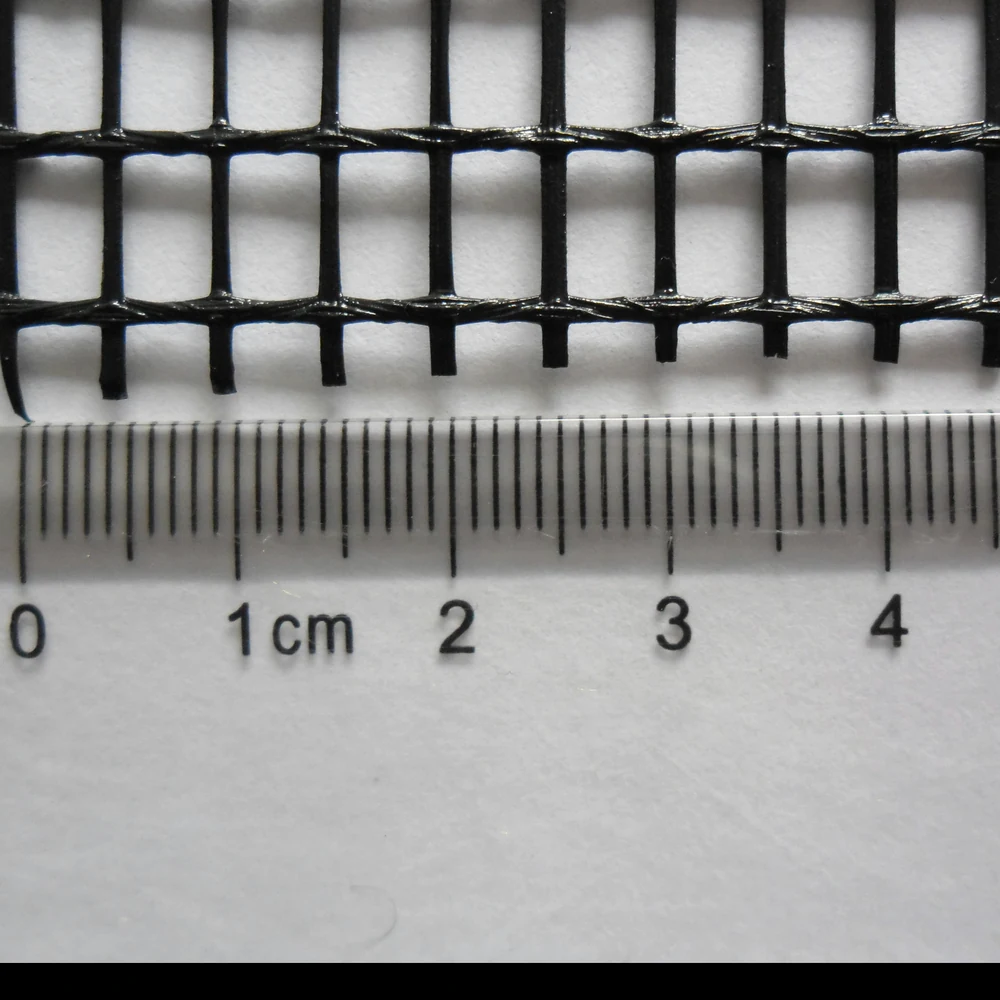
1. Fixed screen: direct protection with a permanent footprint
Fixed insect screens are installed around or across the opening and remain in place. Common formats include framed inserts, fixed panels, and sliding or hinged screen frames. Their main advantage is a simple operating concept: the screen is always available and does not require a track, roller, motor, or remote.
The trade-off is access and clearance. The frame must coexist with the window sash, door leaf, handle, sill, curtains, and any outside activity. A door screen also has to withstand repeated passage, so the frame, mesh, retention method, and bottom detail must be reviewed together.
- Always-on insect protection
- Fewer daily operating components
- A fixed frame or panel remains in view
- Sash, door, handle, and threshold clearance must be checked
2. Retractable screen: clear the opening when it is not needed
Retractable screens store or gather the mesh when access is required. Side-opening, roller, pleated, and motorized constructions solve different openings and should not be treated as interchangeable. The operating path, track or guide, edge treatment, tension, and service access all affect whether the system works in daily use.
A retractable screen is most useful where a permanently projecting or fixed frame would interrupt movement, views, deliveries, or patio access. It introduces moving parts and requires the user to follow an operating routine. For large or frequently used openings, confirm the available system, mesh compatibility, component support, and maintenance access before specifying it.
3. Decide from operating clearance and use frequency
Map the opening through its full movement. For an outward-opening window, check the sash and handle path. For a door, check the threshold, traffic direction, furniture, steps, and whether the screen will be crossed while carrying items. For a patio or large glazed opening, check the sightline when the mesh is stored.
Then estimate how often the screen must be opened or bypassed. Simple fixed screens can be appropriate when the protected opening stays closed or a separate access route exists. Retractable systems become more relevant when daily clearance matters, but they require a correctly selected mechanism rather than only a different mesh.
- Door and sash movement through the full arc
- Track, threshold, headroom, and installation depth
- How often the opening must become clear
- Who will operate, clean, and service the screen
- Manual or motorized operation and power availability
4. Match the mesh to the screen format
A mesh that performs well in a fixed frame may behave differently in a retractable screen. Retractable formats can apply different requirements to flexibility, edge stability, coating adhesion, weave direction, and cut accuracy. Fixed frames place more emphasis on retained-mesh behavior, tension across the panel, and the relationship to the frame channel.
Start with the pest target, airflow and visibility goals, frame hardware, finished format, color, cleaning method, and expected handling. A lower mesh count does not automatically mean a weaker or more open finished system, and a higher count does not automatically suit every retractable mechanism.
5. Build a screen RFQ for the selected format
Send a photo or drawing that shows the opening, frame, sash or door movement, threshold, headroom, and any nearby obstruction. State whether the screen will be fixed, sliding, hinged, roller, pleated, side-opening, or motorized; include the finished size, quantity, color, mesh reference, operating direction, and destination market.
For YAJUMENG mesh and selected component requests, identify the proposed screen hardware separately. Compatibility, complete hardware availability, and the production scope are confirmed per project. Approve a physical mesh sample and record the construction before a repeat order.
OPENING CHECK
Do not choose retractable only because it sounds more flexible.
Confirm that the tracks, mesh edge, tension, operation, and service route work with the real door or window. A movable screen is only useful if its mechanism suits the way people use the opening.
KEEP SPECIFYING
Choose the mesh after the screen format.
Confirm the retractable hardware, material, appearance, and sizing reference before production.
Frequently asked questions
Are retractable insect screens always better than fixed screens?
No. Retractable screens provide clearance but add hardware and operating requirements. Fixed screens can be simpler where permanent protection suits the opening and clear access is not needed.
Which screen is better for a patio door?
A fixed screen may suit a dedicated screen door arrangement, while a retractable format may be useful when the opening must clear. Compare traffic, threshold, track clearance, edge treatment, hardware support, and daily operating effort.
Do fixed insect screens restrict airflow?
Airflow depends mainly on the mesh open area, weave, strand diameter, and tension. Fixed or retractable refers to the screen format; compare the same mesh construction when evaluating airflow.
Can YAJUMENG supply complete retractable screen hardware?
YAJUMENG supplies insect screen mesh and can review selected components for retractable screen programs. Complete hardware availability and compatibility depend on the proposed frame or operating system and must be confirmed in the project quotation.
Is mesh for a fixed screen different from retractable screen mesh?
The suitable construction can differ because retractable systems place different demands on flexibility, edge stability, coating, weave direction, and cutting. Start with the actual hardware and application rather than ordering one generic mesh for both.
What information is needed for a fixed or retractable screen quote?
Provide the opening type, dimensions, frame or hardware reference, sash or door movement, track and threshold conditions, mesh target, color, operation, quantity, and destination. A dimensioned drawing or clear photos will reduce assumptions.