Aluminium cassette
An aluminium enclosure that contains the awning roller, fabric, and folding arms when the awning is retracted.
SCREENING & SHADE GLOSSARY
A practical glossary of fly screen, mosquito screen, mesh count, awning projection, pitch, motorized awning, sensor, fixing, and fabrication terms.
Discuss your project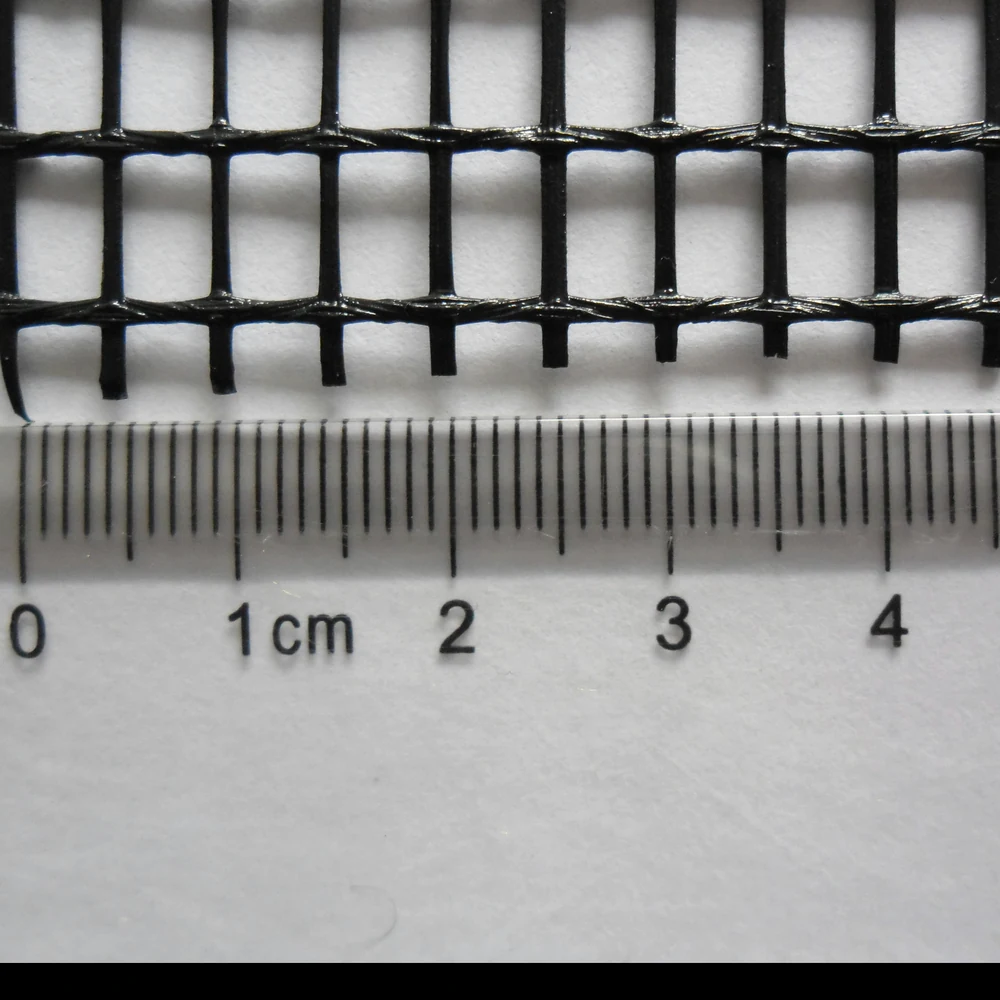
An aluminium enclosure that contains the awning roller, fabric, and folding arms when the awning is retracted.
The horizontal distance the awning extends from its fixing plane.
The downward angle of an extended awning canopy from the fixing plane toward the front bar.
The fabric strip that hangs from the front bar of an awning.
The distance between awning mounting brackets; determined by the model, width, and fixing substrate.
The fabric surface of an awning.
A retractable awning enclosed by a cassette for a cleaner stowed appearance.
The protective material applied to a base yarn or wire, such as PVC-coated fibreglass.
The orientation of the canopy or mesh relative to the opening; important for visual appearance and fabrication.
The wall, ceiling, fascia, lintel, or other surface to which the product is anchored.
The structural material behind the visible fixing surface, such as masonry, concrete, timber, or steel.
A common regional name for insect screen mesh used on windows and doors to exclude flies and similar insects.
A retractable awning that extends using linked arms and leaves the roller and arms more exposed when closed.
A screen format in which the mesh is held in a frame using a spline or another specified retaining method.
The clear vertical space available below an awning, door, or moving component.
A broad term for woven material used to exclude insects while permitting ventilation.
A woven or metal mesh layer used to limit insect entry while allowing light and air through an opening.
A retractable awning operated by a crank rather than a motor.
The open distance through a single mesh opening.
The number of yarns or wires within a defined linear distance in a woven mesh.
A window or door screen intended to exclude mosquitoes while maintaining airflow.
A retractable awning driven by a tubular or external motor rather than a manual crank.
The proportion of the screen surface that remains open to light and airflow.
A glass-fibre core yarn covered with PVC, commonly used for lightweight window and door insect screening.
A motorized awning operated through a handset or another remote-control interface.
An exterior awning that can be extended for shade and retracted toward the building when not in use.
The usable width of material supplied on a roll.
The free space needed for a window sash or door to move without contacting the screen or awning.
A flexible retaining strip used to hold screen mesh in a channel.
A control device that responds to sunlight and can trigger an awning according to a configured operating strategy.
A cylindrical motor installed inside an awning roller tube.
The pattern formed by interlacing warp and weft yarns or wires.
A control device that measures or responds to wind conditions and can support automatic awning retraction.
A framed or roll-based mesh product installed at a window to limit insect entry.
The thickness of the yarn or wire used in a woven mesh; it affects aperture, weight, and handling.
START WITH THE OPENING
Share the size, application, quantity, and destination. We will respond with the questions needed to move toward a reliable quotation.