The design brief
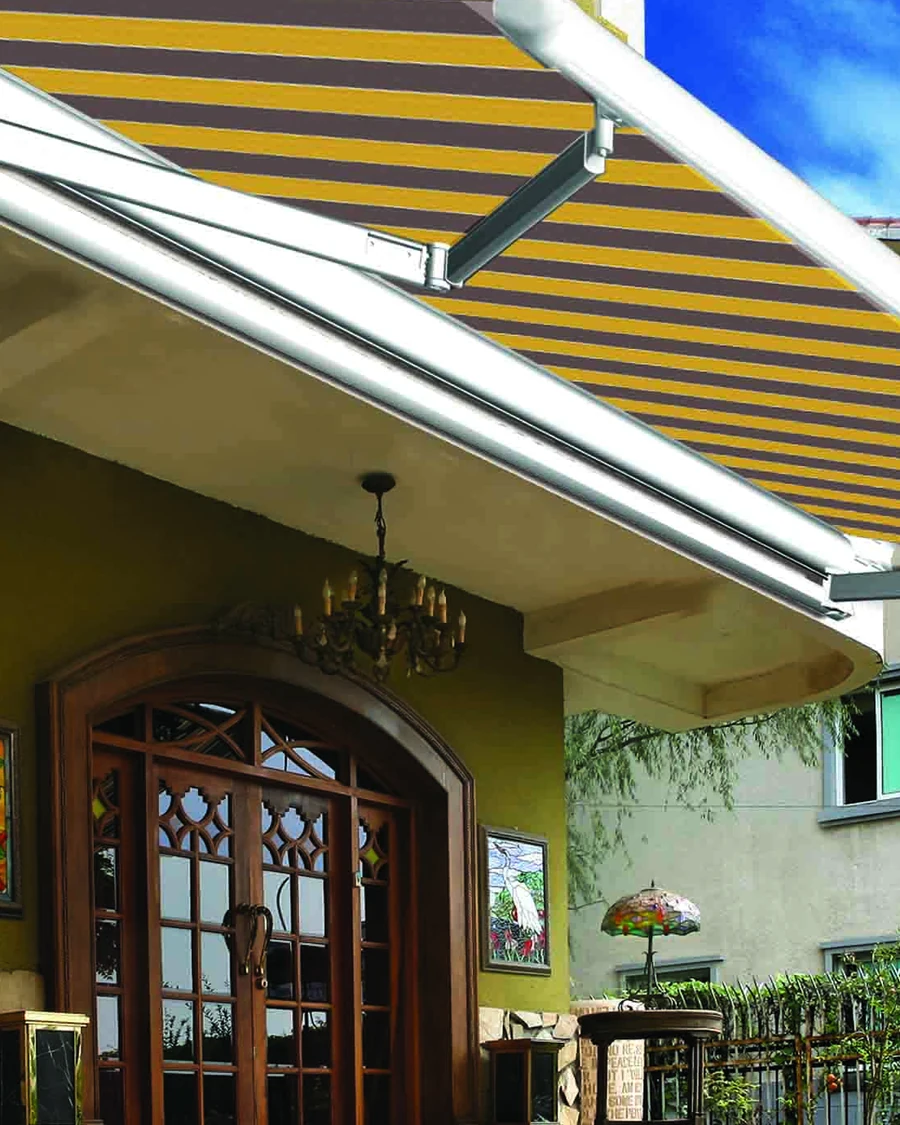
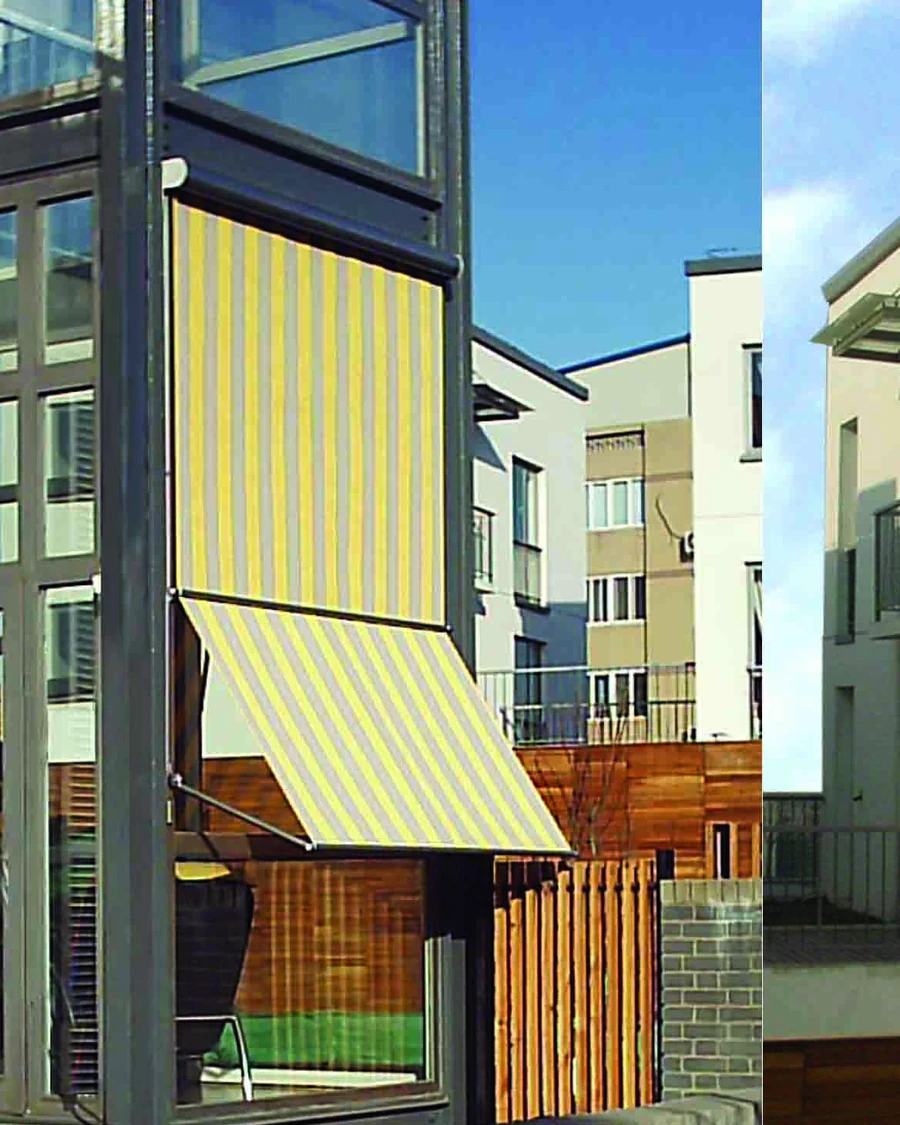
A cleaner line when the shade is not in use.
A cassette awning brings the canopy, arms, and roller into one controlled enclosure. That makes it well suited to façades where a compact, protected appearance matters.
SHADE SYSTEMS / 03
Full cassette awnings that conceal the fabric and arms for cleaner facades, terraces, and commercial outdoor spaces.
Discuss your project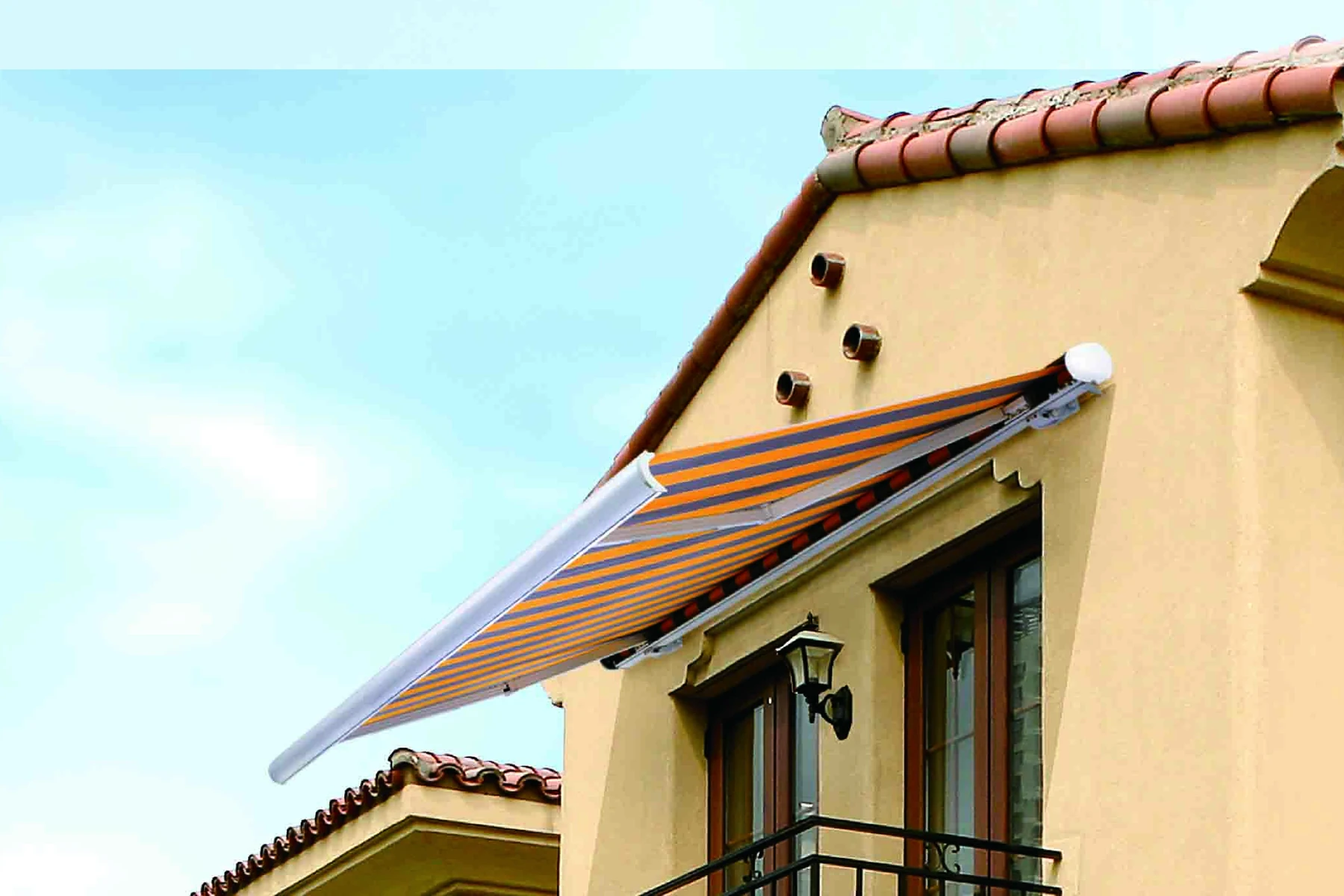
The design brief
A cassette awning brings the canopy, arms, and roller into one controlled enclosure. That makes it well suited to façades where a compact, protected appearance matters.
Larger openings, reasoned decisions
Large cassette systems require careful review of fixing substrate, bracket spacing, access to power, fabric run, drainage, and the building’s wind exposure. Plan those conditions alongside the finish.
MANUFACTURER / SINCE 1996
This cassette awnings range is supplied by Hangzhou Yajumeng Screen Mesh Co., Ltd., a Hangzhou-based manufacturer established in 1996. The route connects material review, custom dimensions, physical sample approval, finishing, and export packaging for trade buyers.
THE OPTIONS
Use these paths as a starting point. The right choice depends on the opening, site exposure, fixing, and operation.
Cassette retractable sunshade with clean proportions, adjustable pitch, and a documented range from compact window scale to large terrace spans.
Best fit: patios / balcony doors
Large-format cassette system for generous openings. The supplied documentation lists widths up to 7 m and projections up to 4 m in selected combinations.
Best fit: large façades / terraces
Tubular motors, remotes, and wind or sun sensor options can be combined where specified. Control logic should reflect how the outdoor space is actually operated.
Optional: motor / remote / sensor
SPECIFICATION STARTER
Opening size. Clear width and projection, including fixing positions.
Operation. Manual, motorised, remote, or sensor-led.
Environment. Wind, rain, salt, sun, and how the system will be used.
Visual direction. Material, color, finish, and approved reference sample.
Commercial brief. Quantity, destination, packaging, and target timing.
QUESTIONS, ANSWERED
Concise answers for buyers comparing materials, mechanisms, and installation constraints.
Both are retractable. A cassette system encloses the fabric and mechanism when closed, while a conventional folding-arm awning leaves the roller and arms more exposed. Cassette awnings usually deliver a cleaner appearance when retracted.
The supplied LCF and LCG literature documents widths up to 7 m and projections up to 4 m in selected combinations. The final system must be verified against the fixing substrate, fabric, bracket positions, and project wind requirements.
The source product literature shows wall and ceiling installation patterns. The mounting detail, substrate, and bracket selection still need to be confirmed for the actual building.
No. A sensor can automate retraction, but it does not turn awnings into permanent storm shelters. Site exposure, operating limits, maintenance, and user behavior all remain part of the specification.
A full cassette awning encloses the rolled fabric and folding arms inside a housing when retracted. This creates a cleaner closed appearance and adds protection in the stowed position; the cassette depth and fixing detail must suit the facade.
CONNECTED SYSTEMS
START WITH THE OPENING
Share the size, application, quantity, and destination. We will respond with the questions needed to move toward a reliable quotation.