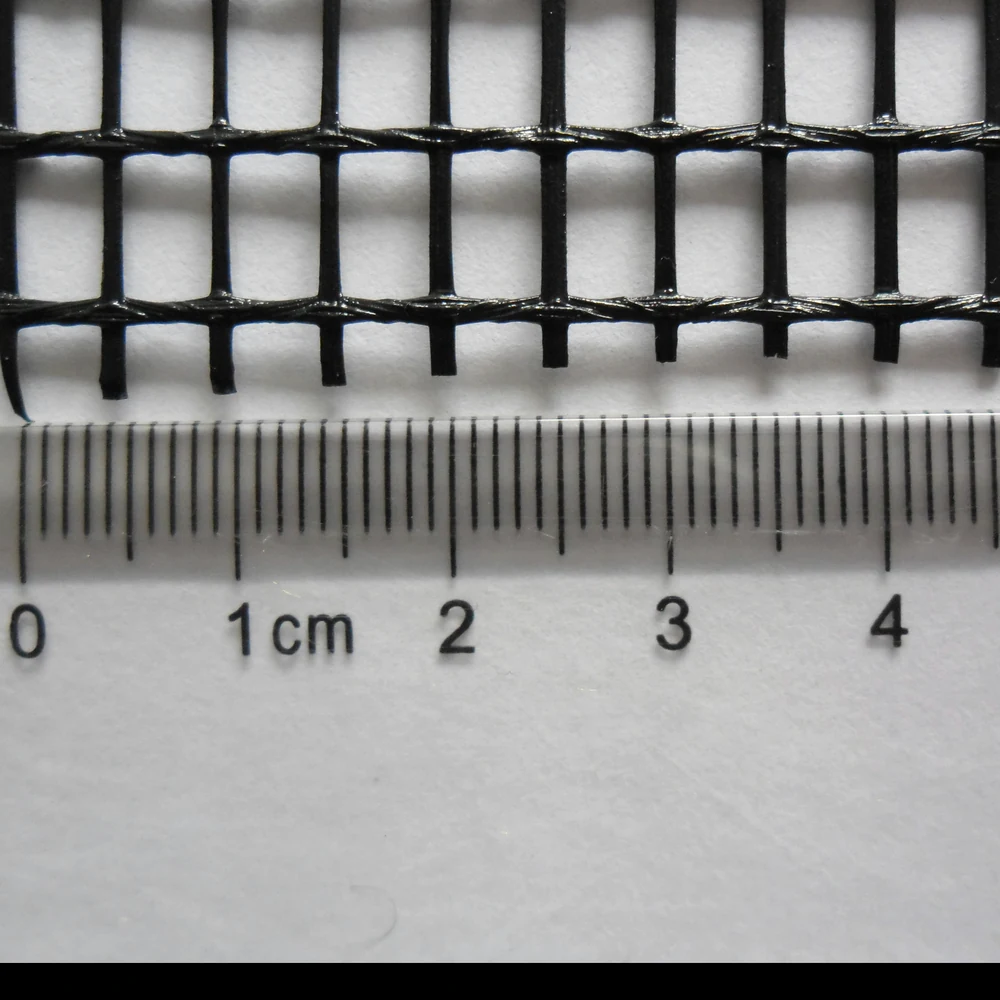
1. Identify the existing screen and frame
Photograph the complete window screen from the side where the spline or retaining strip is visible. Measure both the outside frame and the clear visible mesh area. The difference helps establish the amount of material held inside the frame.
Record whether the screen is fixed, sliding, hinged, roller, or part of another operating system. A mesh that works in a simple fixed frame may need different handling in a roll-up or retractable format.
- Outside frame width and height
- Visible mesh width and height
- Spline or retaining-strip size
- Frame corner and channel condition
- Current mesh color and construction, if known
2. Choose the replacement mesh construction
PVC-coated fiberglass is a common starting point for lightweight window and door screens. Flexible PVC or polyester constructions can support other handling and color requirements. Metal screening adds a different strength and framing profile.
Choose from the application first: the insect target, expected airflow and visibility, frame type, cleaning method, and environment. Then compare physical samples in the intended frame.
3. Add the correct cutting allowance
The visible opening is not the amount of mesh needed to re-screen a frame. Extra material must enter the frame channel and be retained. The allowance depends on the frame profile, spline, installation method, and the fabricator's process.
For larger replacement programs, confirm the cut direction and roll width before calculating yield. One cutting plan may require a wider roll even when the visible screen dimensions appear to fit.
- Visible mesh dimension
- Extra material retained in the channel
- Cut allowance and trimming loss
- Weave or roll direction
- Number of screens per roll
4. Decide between roll and cut lengths
A roll can suit fabricators using a repeat cutting plan. Cut lengths reduce cutting work but require a clear finished size and allowance. The right choice depends on volume, storage, handling, packing, and how consistently each screen is measured.
For first orders, request a sample and confirm how the material will be packed. If the replacement is part of a distributor program, define labels, carton marks, units, and whether accessories are included.
5. Inspect the frame before reusing it
A replacement roll of mesh cannot fix a bent frame, damaged channel, loose corner, or worn retention strip. Inspect the complete assembly before ordering material and identify replacement components separately.
Where the existing screen is damaged beyond the mesh, a complete fabricated screen may be the more reliable route. Share frame photos, dimensions, and component requirements for review.
REPLACEMENT CHECK
Do not use the glass opening size as the mesh cut size.
Measure the screen frame and retention path, then add the allowance required by the actual installation method.
KEEP SPECIFYING
Compare the material and finished orientation.
Review screen materials and mesh sizing before finalizing a replacement program.
Frequently asked questions
Can I buy replacement window screen mesh in a roll?
Roll availability can be reviewed by material, construction, color, width, quantity, and destination. Confirm the current range and packaging in the quotation.
Do I measure the glass or the screen frame?
Measure the screen frame and visible mesh area, not only the glass opening. Also record the retention channel and installation method so the cutting allowance is correct.
Is fly screen mesh the same as window screen mesh?
The terms can refer to similar screening material, but they do not define the material, mesh count, strand diameter, coating, color, roll width, or retention method. Match the construction to the frame and intended opening, then approve the physical sample.
Is fiberglass replacement screen the same as aluminum screen?
No. Fiberglass is typically lighter and uses a coated glass-fiber core, while aluminum screening uses metal wire and has different weight, handling, corrosion, and frame requirements.
How much extra mesh is needed for the spline?
The allowance depends on the frame profile, spline, installation process, and trimming method. Confirm it with the frame or fabrication reference rather than applying one universal addition.
Can replacement mesh be supplied in custom colors?
Custom colors can be reviewed against the selected construction, minimum quantity, production run, and destination. Approve a physical sample before ordering.