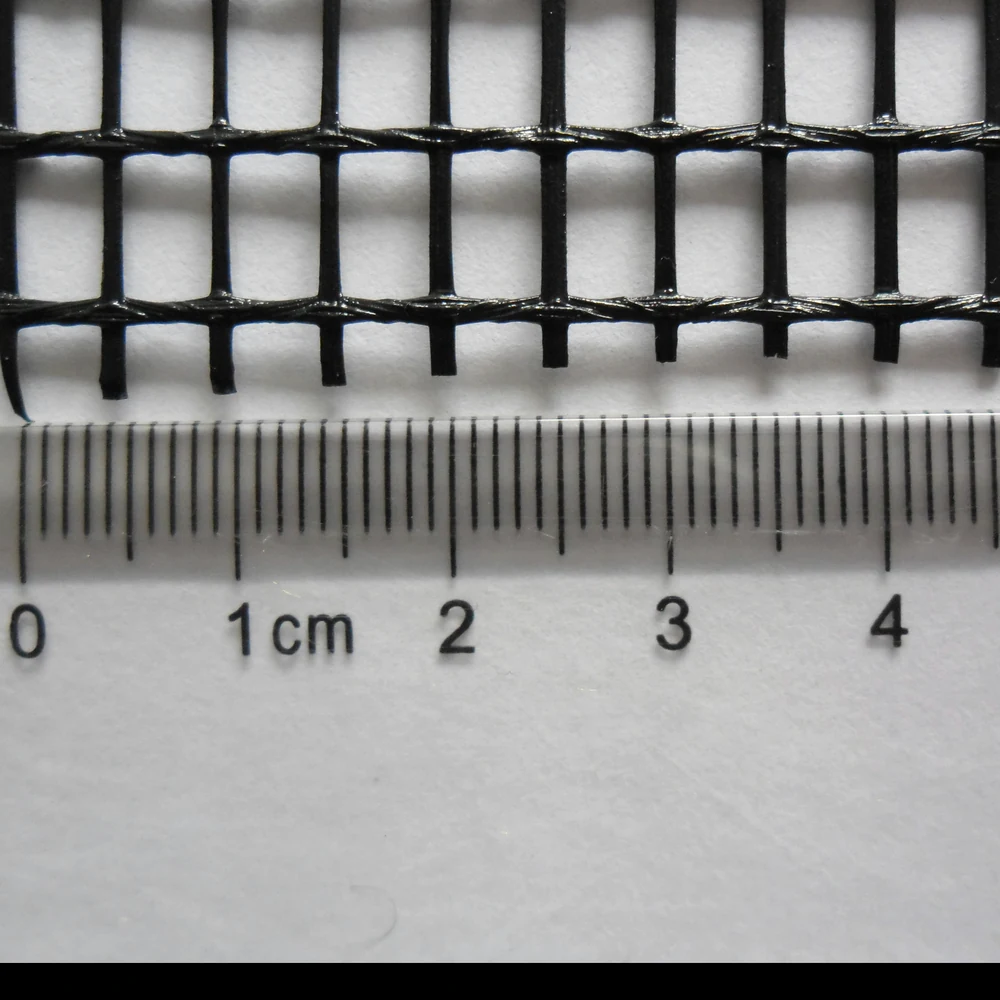
1. What insect screen mesh count means
Window screen mesh is commonly described by two counts, such as 18 x 16. The figures normally represent the number of strands per inch in the warp and weft directions, but suppliers may use a different measurement basis. Confirm the definition before treating two mesh specifications as equivalent.
Mesh count affects appearance and exclusion only when it is read together with strand diameter. A dense count made from heavy strands can have less open area than a lower count made from fine strands. That difference changes airflow, visibility, weight, and the way the mesh handles in a frame.
- Ask whether the count is measured per inch or per 25.4 mm equivalent.
- Record warp and weft counts separately.
- State the yarn or wire diameter and coating.
- Compare a physical sample in the intended color and frame.
2. Mesh count is not the same as aperture
Aperture is the open distance between strands. It is the practical dimension to discuss when a project targets a particular insect, airflow objective, or visual effect. Two screens with the same count can have different apertures when their strand diameters differ.
For a plain weave stated per inch, a planning estimate is: aperture (mm) ≈ 25.4 ÷ count in that direction − yarn or wire diameter (mm). Calculate warp and weft separately when the counts differ. Treat this as a cross-check only: coating, weave crimp, measurement basis, and supplier convention can change the actual opening.
For insect screening, start with the smallest pest that must be excluded and the local expectations for window or door screens. Then check how the proposed aperture behaves with the pressure, temperature, cleaning method, and frame tension expected in service.
3. Match mesh size to fibreglass, polyester, or metal
PVC-coated fiberglass, also written fibreglass, is a common base for residential window screens because it is light and dimensionally stable in normal use. Polyester and PVC mesh can support flexible fabrication routes. Aluminum or other metal screening introduces higher mechanical resistance and different framing requirements.
Do not copy a mesh specification from one material to another without review. Wire diameter, coating thickness, edge stability, cutting behavior, and the frame system all influence the finished result.
4. Define finished screen size before roll width
A roll width is not the clear opening size. Start from the finished screen dimension, then add the allowance required for the selected framing, tension, hem, spline, or edge treatment. The usable roll width must cover that finished width and any cutting loss.
For distributors and window fabricators, state the repeat cutting plan and annual volume. A small increase in usable roll width can reduce waste, but it may also change packing, handling, and minimum order requirements.
- Clear opening width and height
- Finished mesh width and height
- Frame profile or retaining method
- Weave direction and roll length
- Cutting allowance and packaging format
5. Build a mesh-size RFQ that can be quoted
A useful RFQ avoids a common dead end: asking only for a price on an unspecified mesh. Include the application, reference sample, target count and aperture, material, color, roll or finished size, expected quantity, and destination market.
When the exact construction is not yet known, describe the performance priorities in order. For example, state whether insect exclusion, visibility, airflow, mechanical resistance, or fabrication flexibility matters most. That allows a supplier to propose a focused sample set rather than an unconnected catalogue list.
SAMPLE REQUEST
Compare the same mesh count in the intended material and color.
View the samples against the actual window, from both sides, in daylight and shade. Record the approved construction and retain a reference for production.
KEEP SPECIFYING
Compare the material families behind the mesh.
Review fiberglass, flexible polymer, and metal screening before locking the final construction.
Frequently asked questions
What does 18 x 16 insect screen mesh mean?
It usually describes 18 strands in one direction and 16 in the other over a supplier-defined unit, commonly one inch. Confirm the measurement basis and strand diameter with the supplier because construction methods can differ.
Is a higher mesh count always better?
No. A higher count may support smaller-insect exclusion or a different appearance, but it can also change open area, airflow, visibility, weight, and handling. The correct choice depends on the application and the physical sample.
Does mesh count define the aperture?
It contributes to aperture but does not define it alone. Yarn or wire diameter, coating, weave, and measurement convention also determine the open distance between strands.
How do I convert mesh count to aperture?
For a plain weave stated per inch, estimate aperture in millimetres as 25.4 divided by the count in that direction, minus the yarn or wire diameter in millimetres. Calculate the two directions separately when the counts differ, and confirm the actual opening with the supplier because coating, crimp, and measurement conventions affect the result.
Is there a standard window screen mesh size chart?
There is no universal chart that defines one finished screen for every market or frame. A useful chart records mesh count by direction, yarn or wire diameter, approximate aperture, roll width, frame system, and finished size. Confirm the supplier's measurement convention and approve the exact construction.
Can I order custom roll widths?
Custom widths can be reviewed against the selected construction, production route, roll availability, packing method, and order quantity. Confirm the current limit in the quotation.
Should I send a sample or a mesh number?
Send both when available. The number establishes the intended construction; the sample communicates appearance, hand feel, edge behavior, and the practical reference for approval.